
YouTube for attorneys
Your next client is researching lawyers on YouTube before they call anyone. Be the one they call.
J. Vincent Creative is a done-for-you YouTube video marketing agency for law firms. One recording session a month becomes four long-form videos and sixteen shorts, planned around the questions people type into YouTube before they hire a lawyer, scripted in your voice, and reviewed for bar rules before anything is filmed.
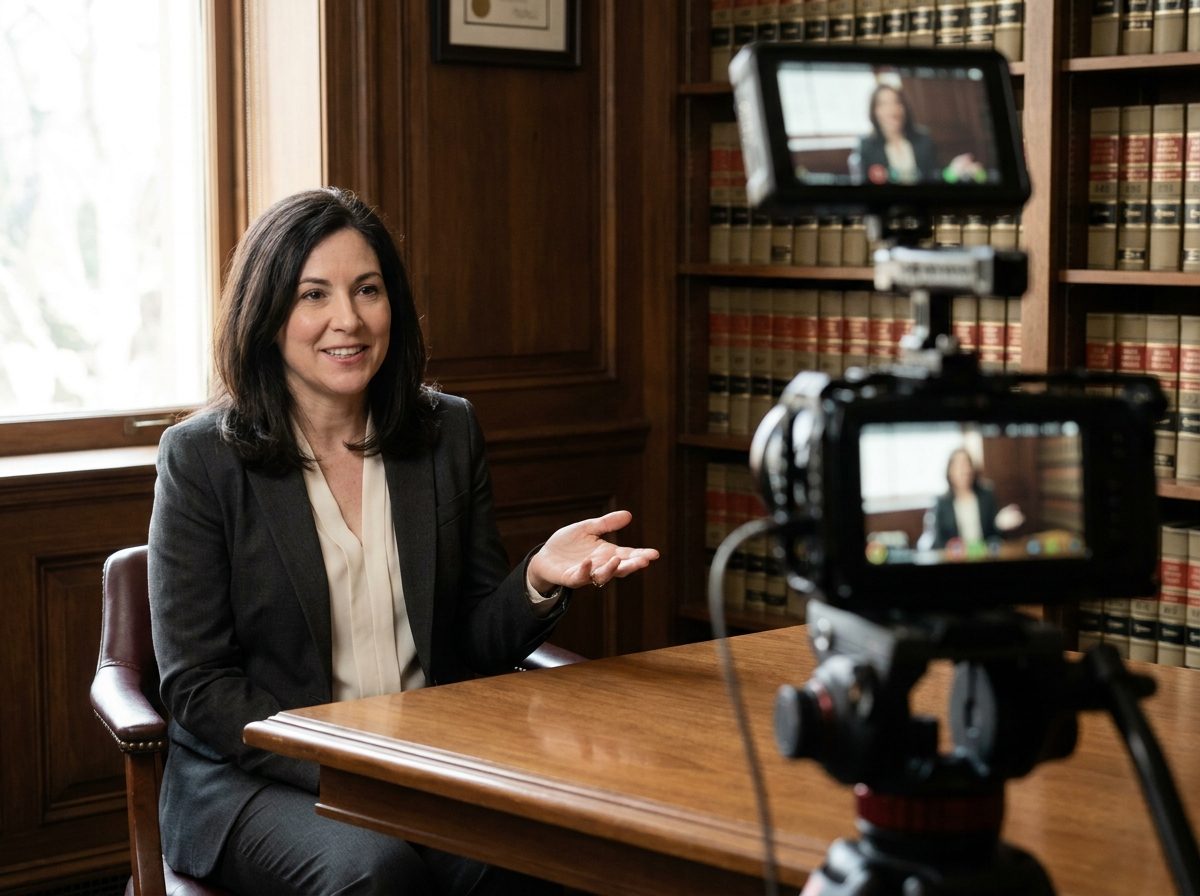 Attorneys film once a month. JVC handles everything else.
Why firms are on YouTube
People pick a lawyer after watching a few of them explain the problem.
Someone with a legal problem rarely calls the first firm on a list. The search starts with the problem typed in plain words. Three or four attorneys get watched. The call goes to the one who taught them something.
YouTube is where legal questions get typed at 11pm
"How long does a personal injury case take." "What happens at a first DUI court date." "How much does a divorce cost in Georgia." Those searches run every day in every county you serve, and the answers people find come from whichever lawyer bothered to make the video.
Video reaches the people who already know your name
The CPA who refers you, the pastor, the neighbor who took your card at a cookout. They know you as a person. Regular, useful video is what makes them think of you when someone in their life gets served, arrested, or hurt.
The intake call changes
When a prospect has watched you explain how a contingency fee works and what the first month of a case looks like, intake is about their facts. Nobody has to be talked into hiring you.
The library keeps working
A clear explanation of what a temporary protective order does, published this year, will still be sending you calls three years from now. Billboards come down. Pay-per-click stops the day the budget does. The video stays up.
Ethics and advertising rules
Bar rules are a workflow, not a reason to stay off camera.
Most attorneys who avoid YouTube are not afraid of the camera. They are thinking about Rule 7.1, a grievance filed by a competitor, and the partner who will ask who approved this. So the review step is built into the process instead of left to chance.
JVC is not a law firm and does not give ethics advice. We make the review easy for the person at your firm who does.
Scripts before cameras
Every video is written word for word before filming. Whoever handles ethics review at your firm reads a document, and a change costs minutes instead of a reshoot.
Educational, not legal advice
Videos explain how the law and the process generally work. They do not tell a viewer what to do in their own case, and each one carries an on-screen line that reads "this is general information, not legal advice."
ABA Model Rules 7.1 and 7.2
Rule 7.1 bars false or misleading statements about a lawyer or the lawyer's services. Rule 7.2 governs advertising and says a lawyer may not state or imply they are a certified specialist unless an organization approved by the state or accredited by the ABA actually certified them, and that organization is named. Scripts are written with both rules in view.
Your state's version
Georgia's Rules of Professional Conduct 7.1 and 7.2 closely track the ABA rules and add specifics like naming a responsible lawyer and keeping a copy of each ad. Florida and Texas require many advertisements to be filed with the bar or submitted for review, so scripts for those firms are formatted for filing.
Confidentiality and testimonials
No video discusses an identifiable client matter without that client's written consent. Client testimonials are permitted in most states when paired with a disclaimer that results vary and depend on the facts, and we draft that disclaimer for your review.
Labels and firm details on screen
Where your state requires it, videos carry an "Attorney Advertising" label, the firm name, and the office location on screen and in the description.
The monthly system
One recording session. A month of content.
The attorney's job is to show up and explain the law the way you would across a conference table. Everything around that is handled.
Research the questions
We pull the questions people ask at intake, and type into YouTube, then pick four for the month.
Write the scripts
Full teleprompter-ready scripts in your voice, sent to you and your firm's reviewer with time to change anything.
Film once
One directed session, onsite in metro Atlanta or virtual anywhere in the country. Jeff directs every take.
Edit and package
Four long-form videos and sixteen shorts, with on-screen graphics, disclaimers, titles, thumbnails, descriptions, and chapters.
Publish and review
Scheduled to YouTube and your other platforms after your approval. Each month starts with what the last one taught us.

Where every firm channel starts
The first five videos a law firm should make.
Not the trendy ones. The ones a prospect needs to see before they are willing to pick up the phone. We build these first, then expand into the searches your practice area owns.
The question you answer at every intake. For a family lawyer it might be "will I lose the house." For a defense lawyer, "is this going on my record." Answer it the way you would in your office.
What your process looks like from the first call to resolution. Who they talk to, what happens in the first two weeks, and how long each stage usually runs.
How fees work in plain English. Contingency, flat fee, hourly, retainer. A prospect who understands how you charge before the consult does not go quiet when the engagement letter shows up.
Who you are not the right firm for. Saying it on camera filters the wrong calls and builds more trust than any award badge in the footer.
The objection you hear every week. "Do I even need a lawyer for this." Answer it honestly, including the situations where the answer is no.
Practice areas
The strategy changes with the practice.
A person searching at 11pm after an arrest needs a different video than a business owner vetting counsel for a deal. Both are on YouTube, and the channel is planned around which one you serve.
Personal injury, criminal defense, family, estate planning, and immigration.
These prospects are usually scared, searching late, and comparing whoever shows up. Speed and clarity win. The lawyer who explains the next 48 hours in plain words gets the call.
- Answer the urgent search first, like what happens at a first court date or how a contingency fee works
- Walk through the process step by step so the prospect knows what a case involves before intake
- Cut the shorts from the same questions so the firm shows up in the vertical feed too
Business law, real estate, employment, and intellectual property.
These clients are rarely in a panic. They are vetting, and they are often sent by a CPA, a banker, or a broker. Depth wins, and so does making the referral partner's job easy.
- Go deeper on fewer topics, like entity structure ahead of a sale or what an employer should do before a termination
- Build videos your referral partners can forward instead of explaining you over the phone
- Lean on LinkedIn shorts, where the owners and executives who become clients spend their time
Client testimonial
Hear it from a firm that films with JVC.
Attorneys are careful about who they vouch for. The fairest way to judge this is to hear from a firm that runs the monthly system.
A law firm client of J. Vincent Creative

Who you work with
Jeff Evans plans the channel, writes the scripts, and directs every session.
Jeff built J. Vincent Creative around professional service firms where trust is part of the sale. He understands the weight of running a practice while also trying to market it, and he built this service so a partner can stay visible without giving up the hours that belong to clients, court, and family. Based in metro Atlanta, working with attorneys across the country.
Meet JeffA strong fit
Best for firms that want the right cases, not just more views.
This works best when you know exactly who your ideal client is, you can explain the law in plain English, and one partner is willing to show up once a month and teach. It is not a fit for firms chasing a viral shortcut or for anyone who wants to promise outcomes on camera.
Common questions
What attorneys ask before they start.
Is YouTube worth it for a small law firm?
Yes, when the firm serves a defined type of client and the videos answer the